< news
Filmaporto brings four festival-circuit highlights to the Batalha
On 10 September, at 19:15, at the Batalha Centro de Cinema, Filmaporto — film commission presents a screening dedicated to some of the films that have recently stood out on the competitive film-festival circuit.
The programme brings together four works of differing cinematic languages and approaches, whose common ground is their relationship with the city, memory, identity and the transformations of the contemporary world.
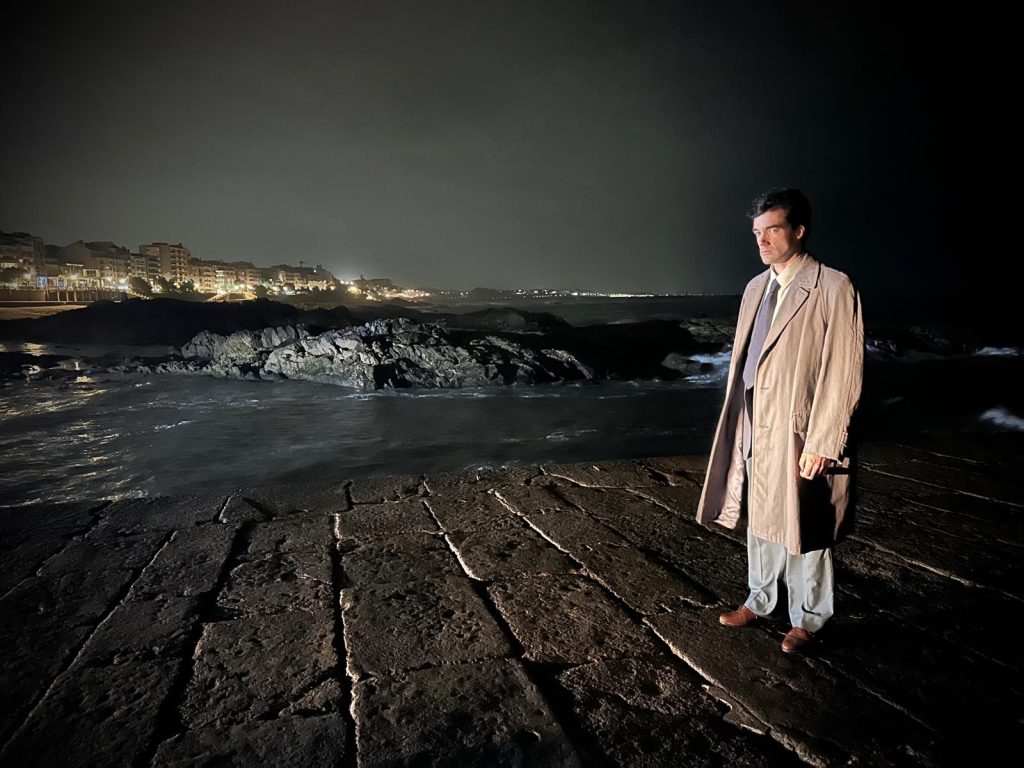
The screening opens with Ultravioleta, by José Magro, which sets out from an episode in 1954, when an unidentified flying object was sighted over Florence’s municipal stadium during a Fiorentina match. Seventy years later, the fiction imagines the return of the extraterrestrials to Earth, confronting them with abandoned stadiums.
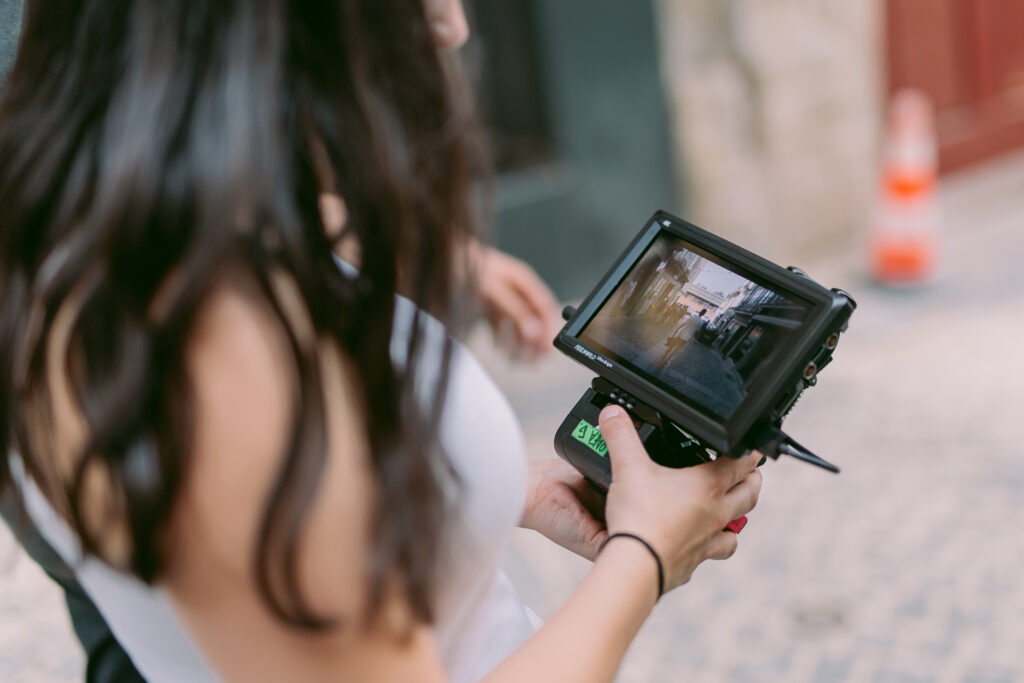
Next comes Porto2000, by Matilde Camacho, a sensory journey through the Porto of the 2000s. Built from the gathering, manipulation and frame-by-frame animation of thousands of photographs drawn from different lives, the film creates a collective vision of a city poised between memory and imagination. The result is the portrait of a Porto that may no longer exist — or that perhaps never existed in quite that form.
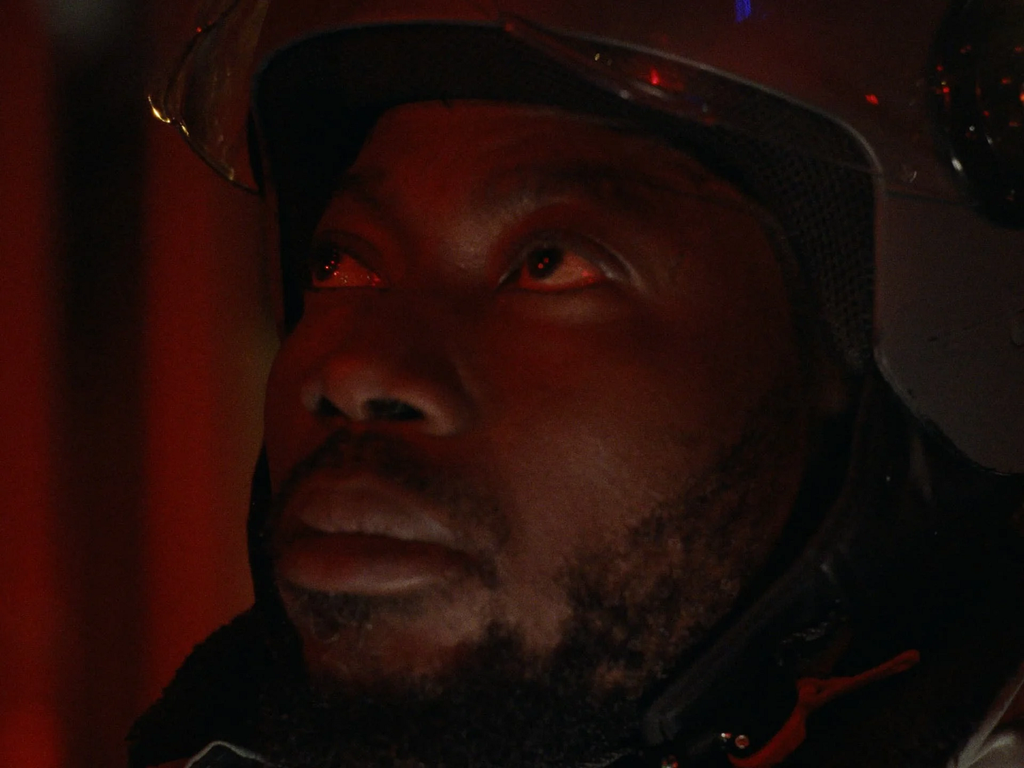
Vermelhos do Asfalto (Asphalt Reds), by João Niza Ribeiro, follows Omar, a young Beninese man working illegally in Porto as a courier. As the violent repression of migrants unfolds in Melilla, Omar rides through the streets of the city on his motorbike, delivering parcels under the constant control of the platforms’ “digital eye”.
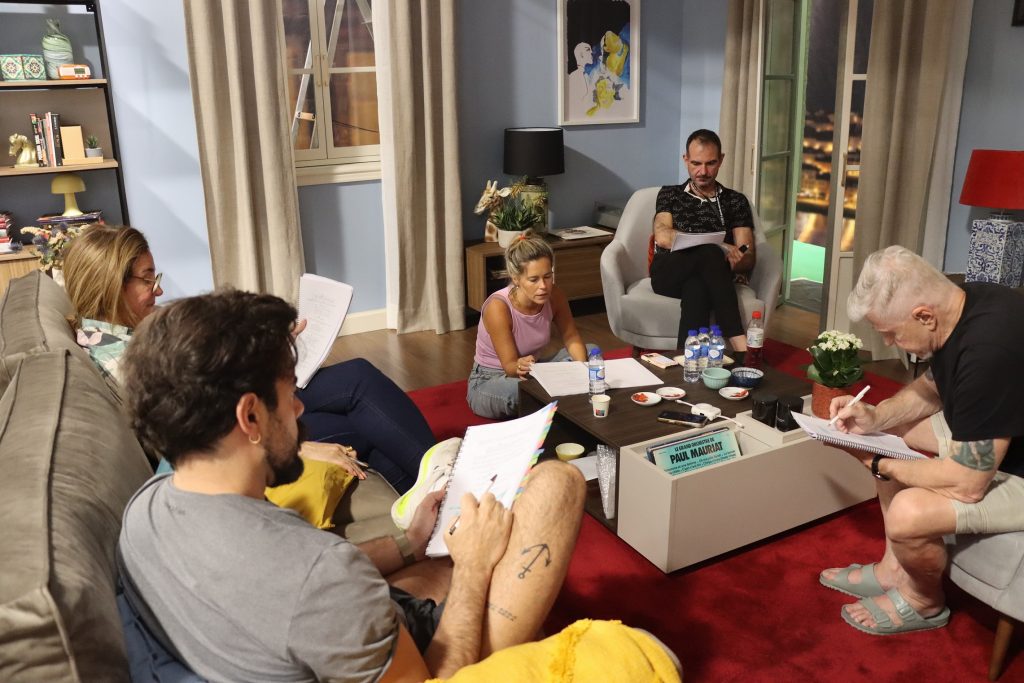
Lastly, Massa Mãe, by Maria Novo, centres on Maria and Matías, two characters marked by different forms of restlessness. Maria remains bound to a love from the past, while Matías is obsessed with the idea of freedom. Between waiting, hope and fermentation, both seek to understand time and to find a way of controlling what seems to escape them: fate.
The screening will be presented by José Magro, Maria Novo and Matilde Camacho, also providing a moment of contact between the directors and the audience.
Admission is free; tickets must be collected on the day itself, with access limited to two per person.